השעה 06:00 בבוקר. השמש מתחילה לעלות מעל גבעות השומרון, והאוויר עדיין קריר ולח. בקיבוץ מגל, רוב התושבים עדיין ישנים. אבל במרכז תלמים — מתחילים לעבוד.
שחר: הכנה שקטה
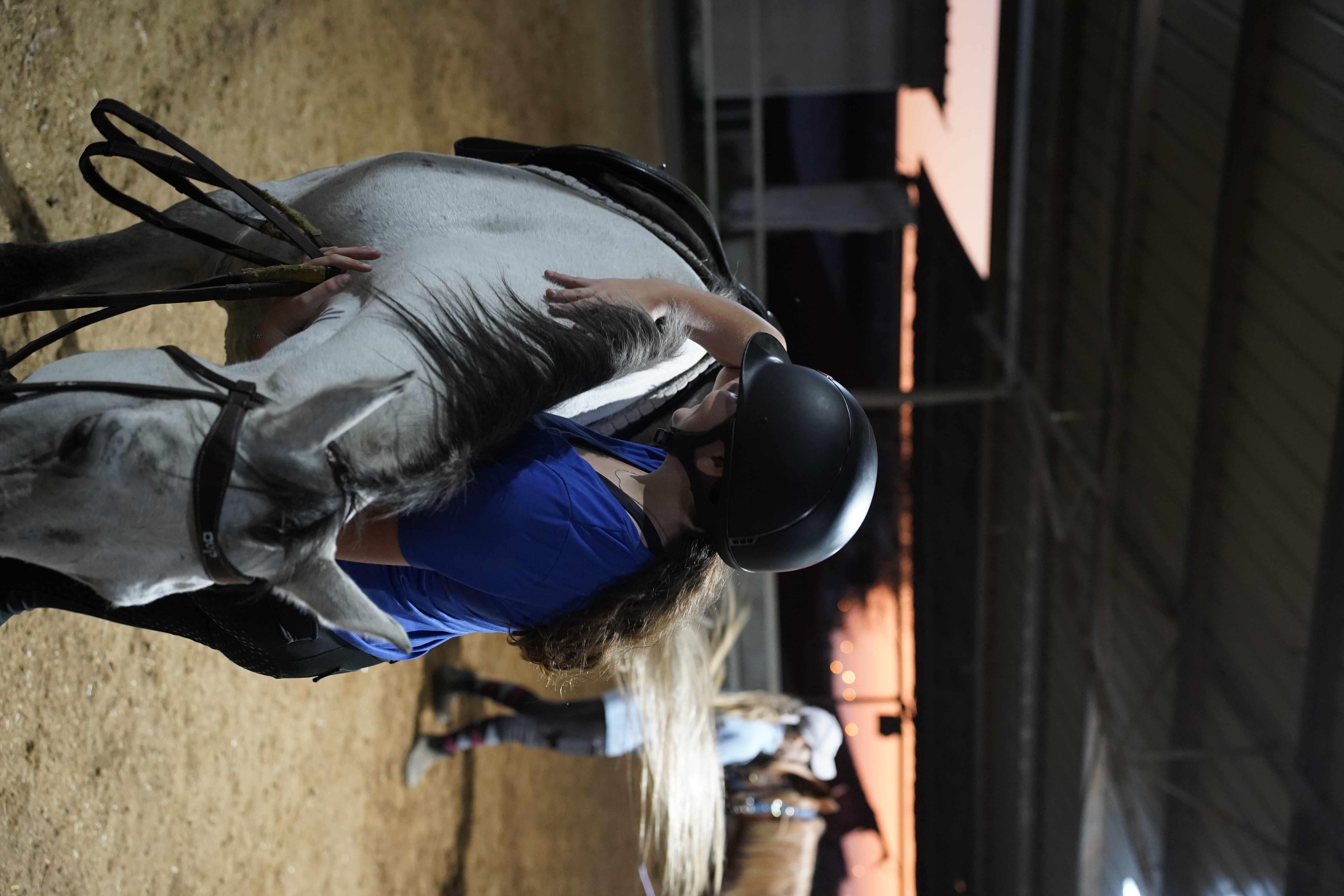
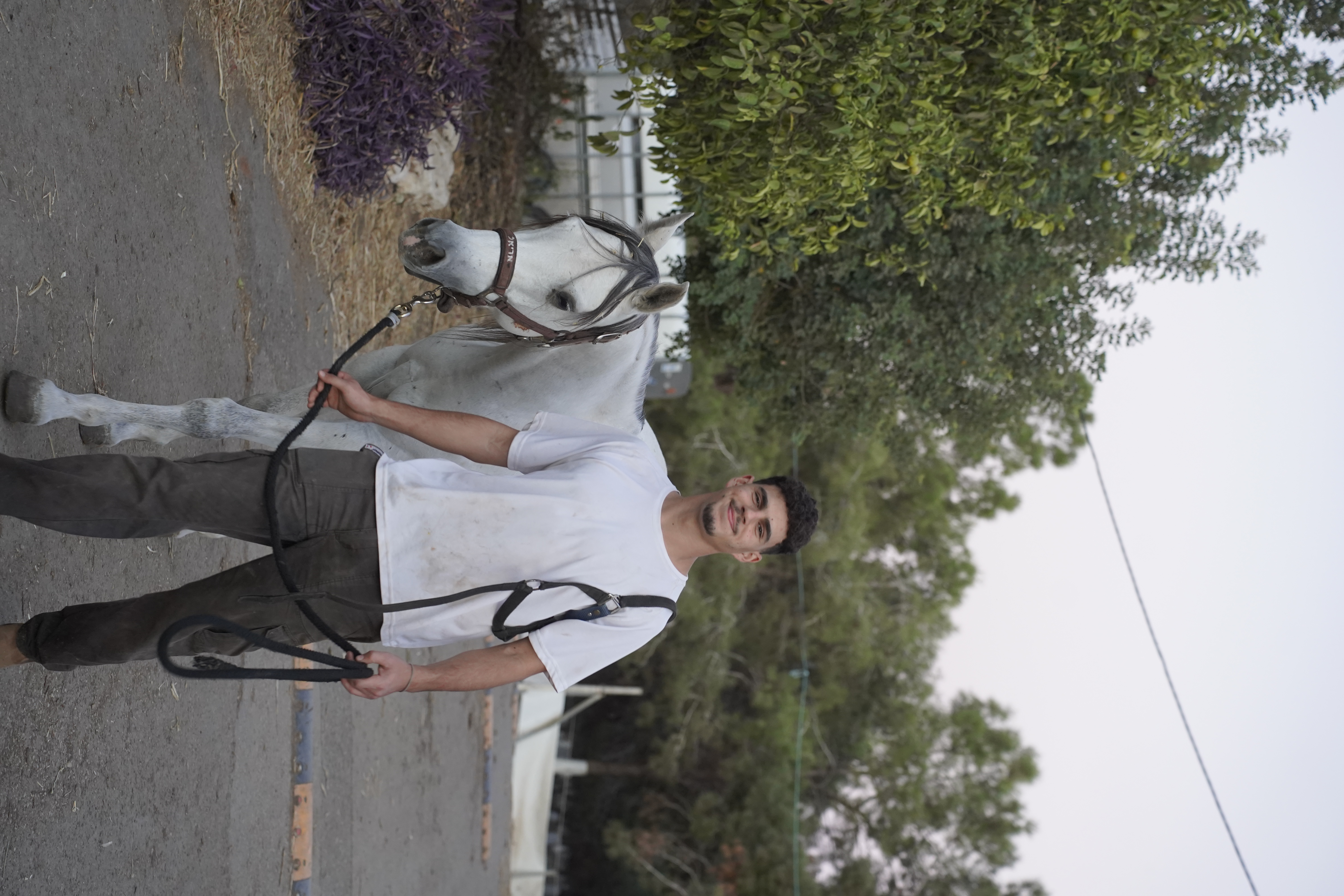
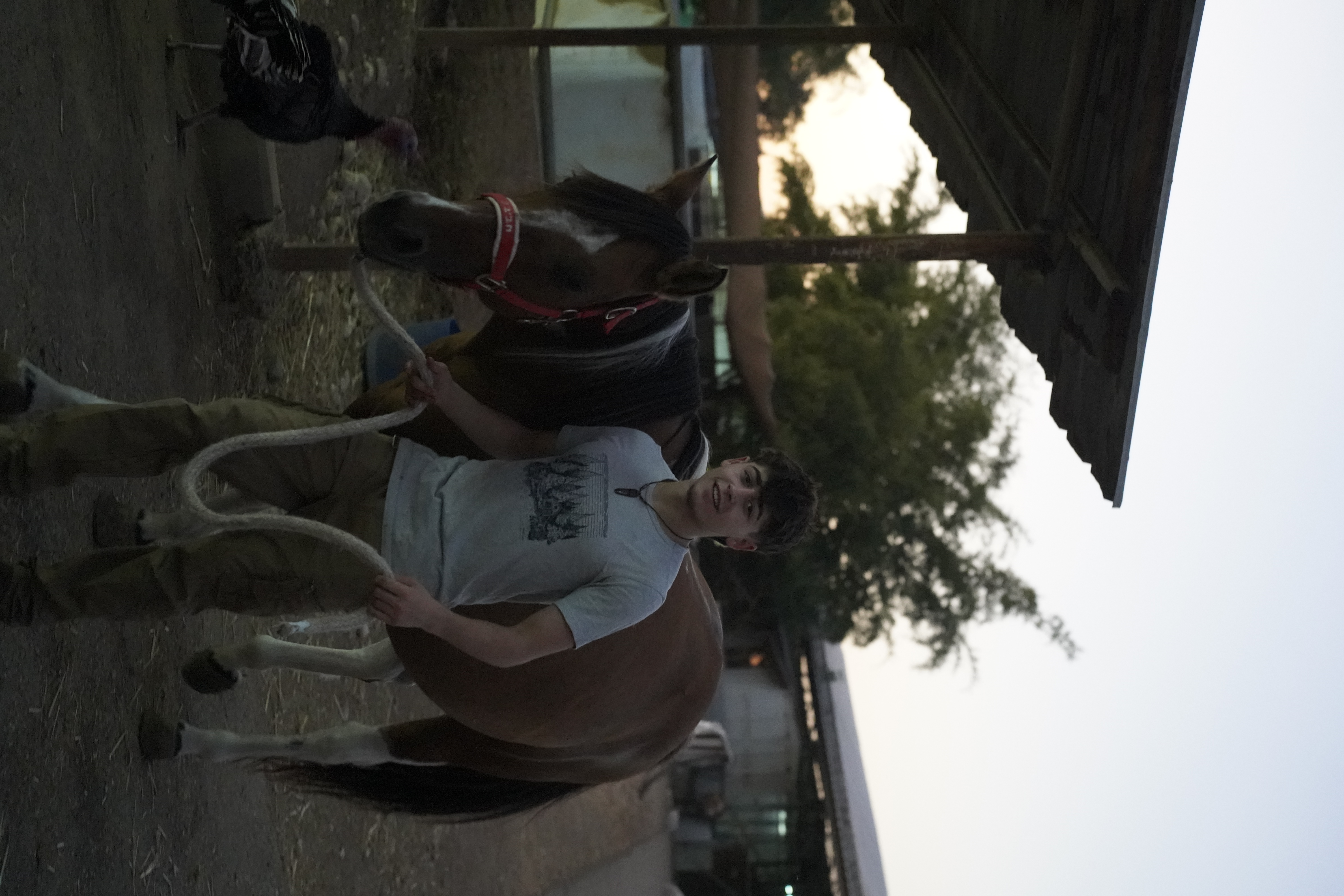
היום מתחיל עם הסוסים. שבעה סוסים ממתינים באורווה לארוחת הבוקר שלהם — שחת, גרעינים ומים נקיים. כל סוס מקבל טיפול אישי: בדיקת בריאות מהירה, הנחת אוכף או שמיכה לפי מזג האוויר, וליטוף חם שפותח את היום.
במקביל, הצוות בודק את מתקני הרכיבה — הזירה, הכבש לעלייה על הסוס, ציוד הבטיחות. הכל חייב להיות מושלם. כשעובדים עם אוכלוסייה עם צרכים מיוחדים, אין מקום לשגיאות.
הכלבים של מרכז ״דרך הכלב״ גם הם מתעוררים. שני לברדורים בהכשרה ליווי — ריאל ולונה — יוצאים לריצה קצרה עם המאלפת. הם צריכים להיות רגועים וממוקדים לפני שהילדים מגיעים.
09:00 — הילדים מגיעים
האוטובוס הראשון נעצר ליד השער. ילדים מבית ספר לחינוך מיוחד באזור יורדים, חלקם בכיסאות גלגלים, חלקם מלווים בסייעות. הפנים מאירות כשהם רואים את הסוסים.
המדריכה מיכל, שעובדת במשעולים כבר שמונה שנים, מקבלת את הקבוצה. ״הסוסים כבר מכירים אותם,״ היא מסבירה. ״ברגע שהאוטובוס נכנס, ג׳ינג׳י — הסוס הכי ותיק שלנו — מרים את הראש ופונה לכיוון השער. הוא יודע.״
כל ילד מתחיל את המפגש בטיפוח הסוס — הברשה של הרעמה, ניקוי הפרסות. אלו לא רק פעולות הכנה; הן חלק בלתי נפרד מהטיפול. מגע עם הסוס מוריד חרדה, בונה קשר, ויוצר תחושת אחריות.
בזירת הרכיבה: שיעור צעד אחר צעד
בזירה, הכל מתוכנן בקפידה. כל ילד מקבל פרק זמן אישי על הסוס. מדריך רכיבה טיפולית צועד לצד הסוס, שני מלווים הולכים משני הצדדים, ומטפל נוסף עובד מול הילד.
התרגילים נראים כמו משחק — לשלוח יד קדימה לגעת באוזן הסוס, להסתובב ולהסתכל אחורה, לזרוק כדור לסל בצד הזירה. אבל כל תנועה מחושבת: היא מחזקת שרירים ספציפיים, משפרת קואורדינציה, או עובדת על שיווי משקל.
״הילדים לא מרגישים שהם ב׳טיפול׳,״ אומרת מיכל. ״הם חושבים שהם רוכבים על סוס ומשחקים. וזה בדיוק הקסם.״
הפסקת צהריים: מרכז ״דרך הכלב״
בזמן שקבוצה אחת מסיימת רכיבה, קבוצה אחרת מגיעה למרכז הכלבים. כאן מתקיימת הכשרה של כלבי לברדור ככלבי שירות — כלבים שילוו בעתיד אנשים עם מוגבלויות פיזיות או נפשיות.
אבל ההכשרה עצמה היא גם כלי טיפולי. ילדים ונוער משתתפים בתהליך האילוף — מלמדים את הכלבים פקודות, מטיילים איתם, בונים איתם קשר. עבור נער מתבגר שמתמודד עם קשיים רגשיים, האחריות על כלב יכולה להיות נקודת מפנה.
אחר הצהריים: מרכז ״עופר״ — חיות הבר
בשעות אחר הצהריים, הפעילות עוברת למרכז ״עופר״ — המקום שבו ילדים פוגשים חיות בר ובית. תוכים צבעוניים, ארנבות רכות, עזים ידידותיות, ולפעמים גם נחשים לא ארסיים — כל חיה מציעה חוויה שונה ותובנה טיפולית אחרת.
ילד שמפחד ממגע עשוי להושיט יד בזהירות לגעת בארנב. ילדה שמתקשה בריכוז עשויה לשבת דקות ארוכות ולהאכיל תוכי. מרכז עופר פועל בשיתוף עם רשות הטבע והגנים — חלק מהחיות הן חיות בר ששוקמו ואינן יכולות לחזור לטבע.
סוף היום: שקיעה מעל הזירה
לקראת הערב, המקום נרגע. הילדים חזרו הביתה, האוטובוסים עזבו. הצוות מאכיל את החיות שוב, מנקה את הזירה, מסדר ציוד. הסוסים יוצאים למרעה הפתוח.
זה הרגע השקט. שקיעה כתומה מעל הגבעות, סוסים רועים בשלווה, וכלב לברדור ישן על הדשא ליד המשרד. אחרי יום מלא ואינטנסיבי, יש רגע של שלום.
״אנחנו לא רק מטפלים. אנחנו שומרים על קשר עתיק בין אדם לחיה — קשר שיש בו כוח לרפא דברים שתרופות לא יכולות.״
המתנדבים שמחזיקים את הכל
שום דבר מכל זה לא היה אפשרי בלי המתנדבים. בכל יום נטו, בין 10 ל-20 מתנדבים נמצאים במרכז — בני שירות לאומי, סטודנטים, תושבי הקיבוץ, ואנשי מקצוע שמתנדבים מזמנם הפנוי. הם מלווים ילדים על הסוסים, מנקים אורוות, מטפלים בחיות, ומביאים את האנרגיה האנושית שהופכת מקום עבודה למשפחה.
וכשמישהו שואל ״למה אתם עושים את זה?״ — התשובה תמיד אותה תשובה: ״כי ברגע שאתה רואה ילד שלא הלך מימיו מחייך על סוס — אתה מבין שזה המקום שלך.״
It's 6:00 AM. The sun is beginning to rise over the Samarian hills, and the air is still cool and damp. At Kibbutz Meghal, most residents are still asleep. But at the Tlamim Center — work has already begun.
Dawn: A Quiet Preparation
The day starts with the horses. Seven horses wait in the stable for their morning meal — hay, grain, and fresh water. Each horse receives individual attention: a quick health check, a saddle pad or blanket depending on the weather, and a warm pat to start the day.
Meanwhile, the staff inspects the riding facilities — the arena, the mounting ramp, safety equipment. Everything must be perfect. When working with special needs populations, there's no room for error.
The dogs at the "Derech HaKelev" center are also waking up. Two Labradors in service dog training — Real and Luna — go out for a short run with their trainer. They need to be calm and focused before the children arrive.
9:00 AM — The Children Arrive
The first bus stops at the gate. Children from a special education school in the area step off, some in wheelchairs, others accompanied by aides. Faces light up when they see the horses.
Instructor Michal, who has worked at Misholim for eight years, greets the group. "The horses already know them," she explains. "The moment the bus pulls in, Gingi — our most senior horse — lifts his head and turns toward the gate. He knows."
Each child begins with grooming the horse — brushing the mane, cleaning the hooves. These aren't just preparation tasks; they're an integral part of the therapy. Touch with the horse reduces anxiety, builds connection, and creates a sense of responsibility.
In the Riding Arena: A Step-by-Step Session
In the arena, everything is carefully planned. Each child gets individual time on the horse. A therapeutic riding instructor walks alongside the horse, two side-walkers flank them, and another therapist works face-to-face with the child.
The exercises look like games — reaching forward to touch the horse's ear, turning to look backward, throwing a ball into a basket at the side of the arena. But every movement is calculated: it strengthens specific muscles, improves coordination, or works on balance.
"The children don't feel like they're in 'therapy,'" says Michal. "They think they're riding a horse and playing. And that's exactly the magic."
Lunch Break: The "Derech HaKelev" Dog Center
While one group finishes riding, another arrives at the dog center. Here, Labrador puppies are being trained as service dogs — dogs that will one day accompany people with physical or mental disabilities.
But the training itself is also a therapeutic tool. Children and teenagers participate in the training process — teaching dogs commands, walking them, building a bond. For a struggling teenager dealing with emotional difficulties, responsibility for a dog can be a turning point.
Afternoon: The "Ofer" Center — Wildlife Encounters
In the afternoon hours, activity shifts to the "Ofer" center — where children meet wild and domestic animals. Colorful parrots, soft rabbits, friendly goats, and sometimes even non-venomous snakes — each animal offers a different experience and therapeutic insight.
A child afraid of touch might carefully extend a hand to pet a rabbit. A girl who struggles with concentration might sit for long minutes feeding a parrot. The Ofer center operates in partnership with the Israel Nature and Parks Authority — some of the animals are rehabilitated wildlife that cannot return to nature.
End of Day: Sunset Over the Arena
Toward evening, the place grows quiet. The children have gone home, the buses have left. The staff feeds the animals again, cleans the arena, organizes equipment. The horses go out to the open pasture.
This is the quiet moment. An orange sunset over the hills, horses grazing peacefully, and a Labrador sleeping on the grass by the office. After a full and intense day, there's a moment of peace.
"We're not just therapists. We're guardians of an ancient bond between humans and animals — a bond that has the power to heal things that medicine cannot."
The Volunteers Who Hold It All Together
None of this would be possible without volunteers. On any given day, between 10 and 20 volunteers are present at the center — national service youth, students, kibbutz residents, and professionals who volunteer their free time. They accompany children on horses, clean stables, care for animals, and bring the human energy that turns a workplace into a family.
And when someone asks "Why do you do this?" — the answer is always the same: "Because the moment you see a child who has never walked smile on top of a horse — you know this is where you belong."
רוצים להצטרף?Want to Join?
המתנדבים שלנו הם הלב של משעולים. צרו קשר וגלו איך גם אתם יכולים לעשות את ההבדלOur volunteers are the heart of Misholim. Contact us and discover how you too can make a difference
להתנדבותVolunteer